
In short
- Snow is most common from June to August.
- Ice and snow can close the border post.
- Temperatures drop sharply at the 2,876-meter summit.
In this article
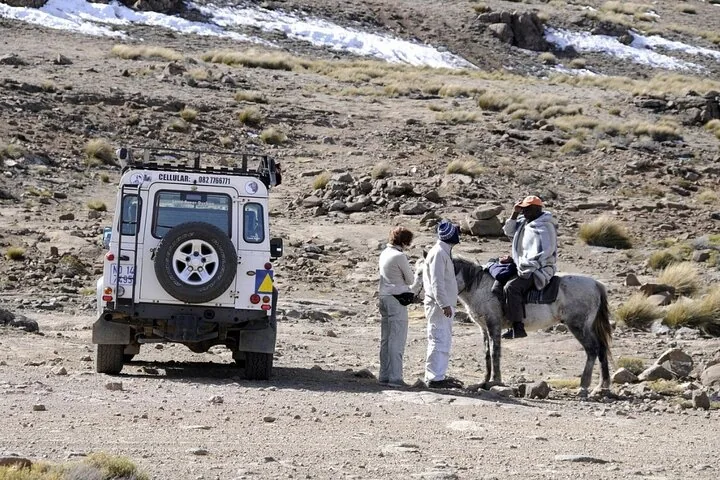
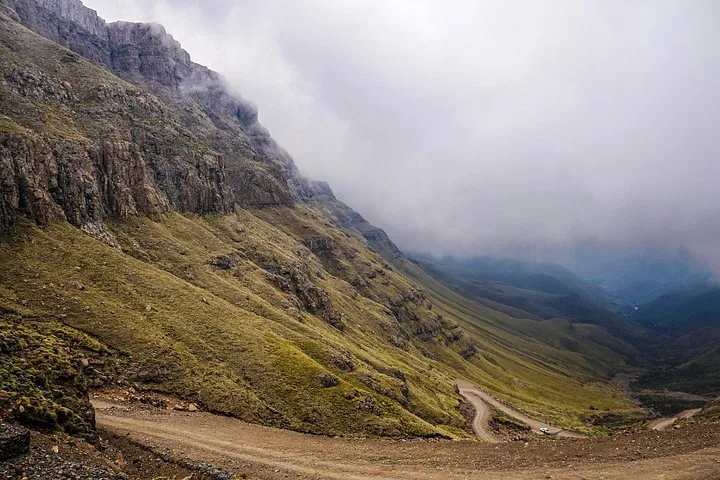
Sani Pass climbs 1,332 vertical meters to an altitude of 2,876 meters. This high elevation creates unpredictable weather conditions. Winter brings freezing temperatures, ice, and occasional heavy snowfall.
What months does it snow on Sani Pass?
Snow is most likely during the Southern Hemisphere winter, from June through August.
While Sani Pass is accessible year-round, the winter months carry the highest risk of snow. Storms can arrive quickly at the 2,876-meter summit. Snowfall can occasionally happen outside these months, but June to August is the main window.
Does snow cause Sani Pass to close?
Yes, heavy snow and ice will temporarily close the pass to all traffic.
Border officials close the road when driving conditions become dangerous. Ice makes the steep, unpaved 1:3 gradients impossible for even 4x4 vehicles to navigate safely. Closures usually last a few days until the sun melts the ice.
How cold does it get at the top?
Temperatures at the summit drop significantly compared to the base in Underberg.
The pass base sits at 1,544 meters, while the Lesotho border is at 2,876 meters. This massive elevation gain means summit temperatures are often freezing, especially in winter. High winds make it feel even colder.
What should I wear for winter tours?
You need warm layers, including a windbreaker or heavy jacket.
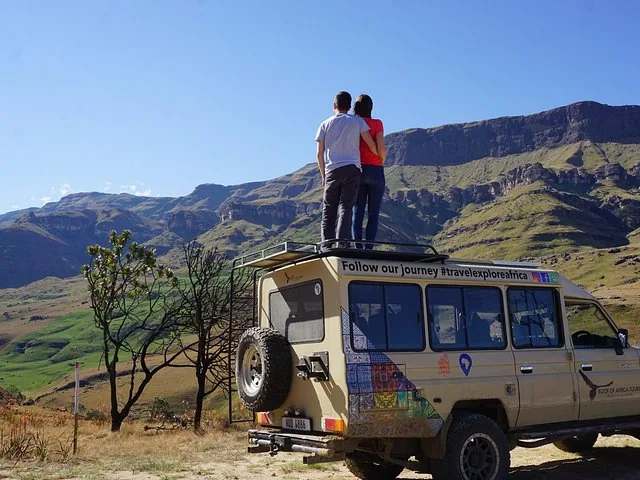
Always pack warm clothing for a Sani Pass tour. Even if it feels warm in KwaZulu-Natal, the summit weather is harsh. You should also bring closed, comfortable walking shoes and sunglasses to block the glare from the snow.

Are Sani Pass tours canceled when it snows?
Tours are canceled or delayed if the border authorities close the road.
Safety is the priority. If ice blocks the hairpin bends, tour operators cannot proceed. Bookings usually offer a full refund if canceled 24 hours in advance, or operators will reschedule if weather permits.
When is the best time to visit to avoid snow?
The best months for clear roads are September to May.
Traveling during the warmer months reduces the risk of weather delays. The gravel pass is generally clear, though you should still pack a jacket for the wind at the top.
Questions travellers ask
Does it snow on Sani Pass?
Yes, snow is common between June and August at the high-altitude summit.
What is the altitude of Sani Pass?
The base is at 1,544 meters, and the summit reaches 2,876 meters.
What happens to tours if it snows?
If snow and ice make the steep gradients unsafe, border officials close the pass and tours are suspended.